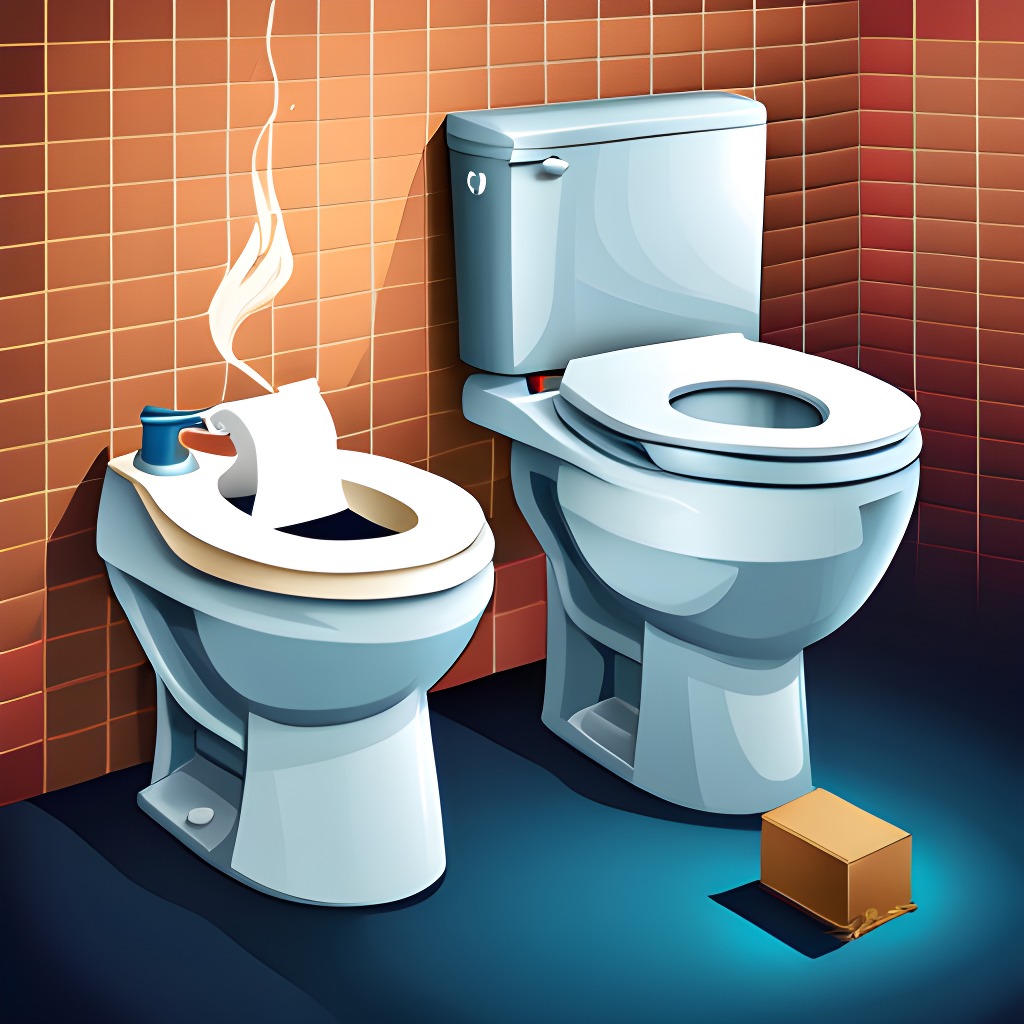
In the quest for cleanliness, the debate between bidets and toilet paper has gained momentum. Both options serve the purpose of maintaining hygiene after using the restroom, but which one truly offers a cleaner experience? Let’s delve into the bidet vs. toilet paper debate, considering factors like effectiveness, environmental impact, and personal preferences.
Bidets: A Thorough Approach to Cleanliness
Bidets have long been used in many cultures around the world for their superior cleaning capabilities. They use water to cleanse the area, offering a more thorough and efficient way to clean than toilet paper alone. This can be particularly beneficial for individuals with certain health conditions or sensitivities.
Effectiveness and Hygiene:
Bidets provide a more effective cleaning process by using water to remove debris. This can result in a fresher and cleaner feeling, reducing the risk of irritation or infection. Water’s gentle cleansing action is less abrasive compared to wiping with toilet paper, which can be particularly soothing for those with sensitive skin.
Environmental Impact:
Bidets are considered more environmentally friendly than toilet paper. They significantly reduce the amount of paper waste produced, making them an eco-conscious choice. In a world focused on sustainability, bidets align with efforts to minimize resource consumption and waste.
Personal Preferences and Cultural Factors:
Cultural norms and personal preferences play a role in the bidet vs. toilet paper debate. While bidets are widely embraced in certain countries, toilet paper remains the dominant choice in others. People’s upbringing, beliefs, and exposure to different hygiene practices shape their preferences.
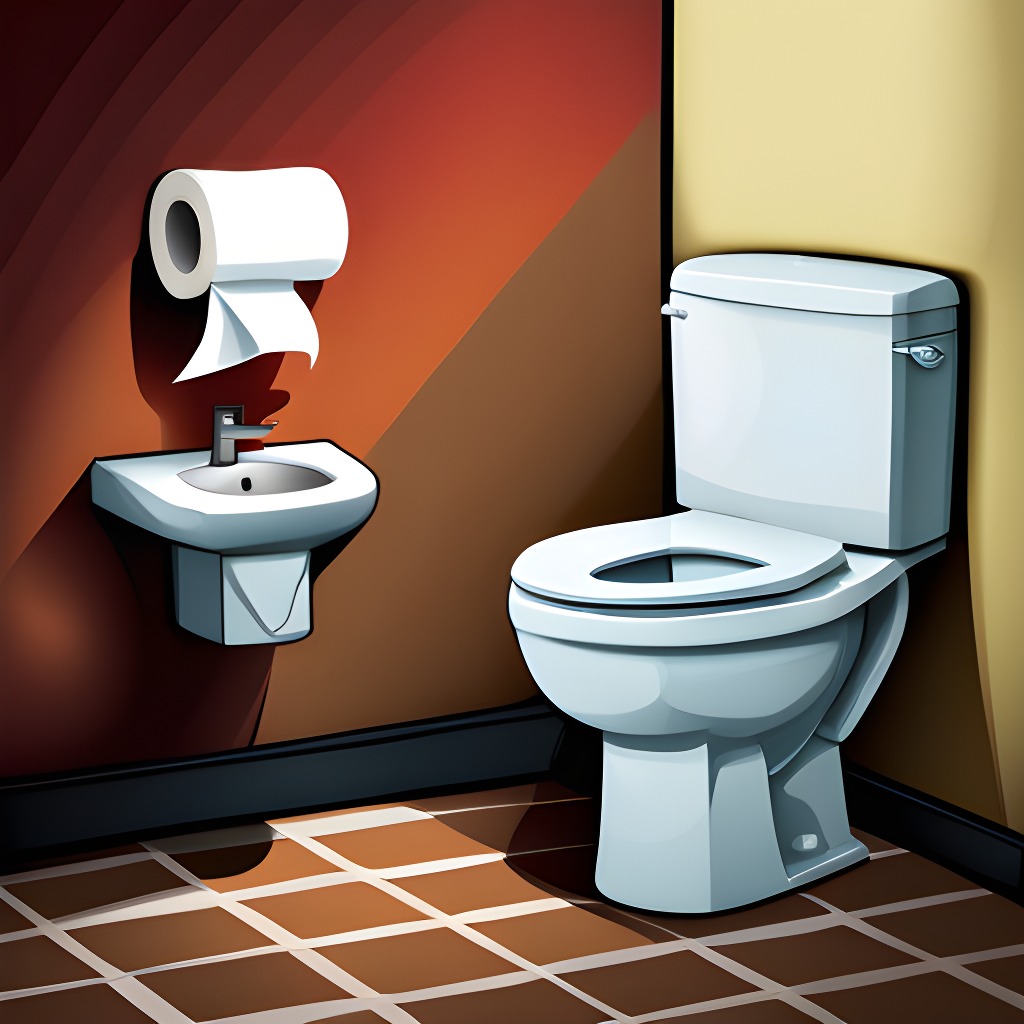
Toilet Paper: Familiar and Convenient
Toilet paper is a staple in many households, offering a convenient solution for maintaining hygiene. It’s familiar, easily accessible, and requires no additional equipment.
Effectiveness and Hygiene:
While bidets offer a more thorough clean, toilet paper can effectively remove waste when used properly. The key is to use adequate amounts and wipe gently to avoid irritation.
Environmental Impact:
Toilet paper production involves cutting down trees and using energy-intensive processes. However, many brands now offer recycled and sustainable options, reducing the environmental impact.
Personal Preferences and Convenience:
Toilet paper’s convenience lies in its simplicity. It requires no adjustment to one’s routine or additional installations. People who prefer familiarity and are satisfied with the results may choose toilet paper.
Conclusion: Making an Informed Choice
Ultimately, the decision between bidets and toilet paper comes down to personal preferences, cultural influences, and individual priorities. Both options have their merits, and the choice depends on what aligns best with your values, comfort, and hygiene needs.
By understanding the benefits and considerations of both bidets and toilet paper, you can make an informed choice that suits your lifestyle and contributes to a cleaner, more hygienic restroom experience.

 Behind Bath Door